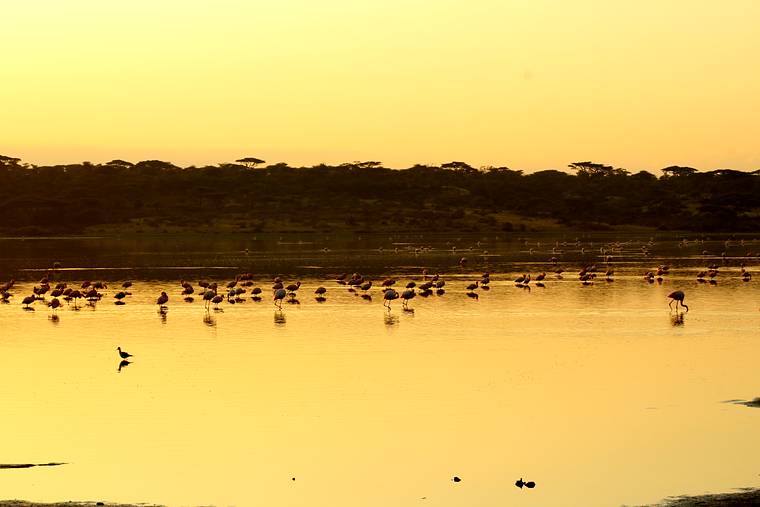
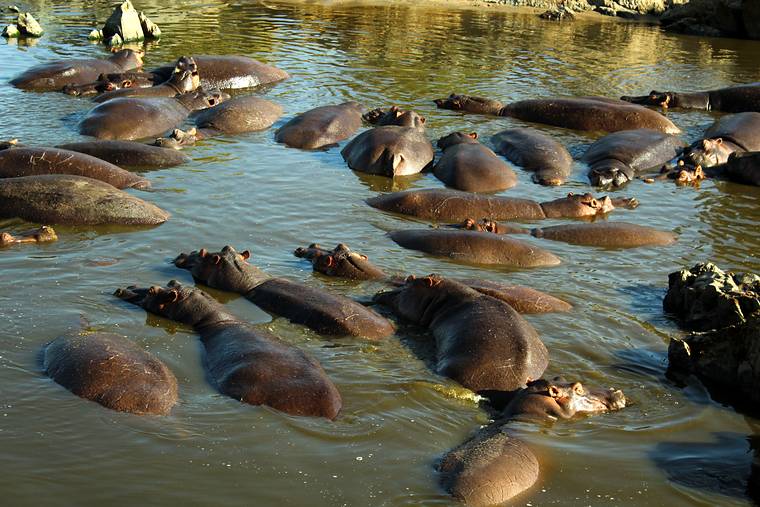
The Serengeti is Tanzania's oldest and most famous national park, a UNESCO World Heritage Site that hosts the Great Migration — the largest overland migration of mammals on Earth. Its endless plains stretch to the horizon, broken only by rocky outcrops called kopjes, acacia woodlands, and winding rivers.
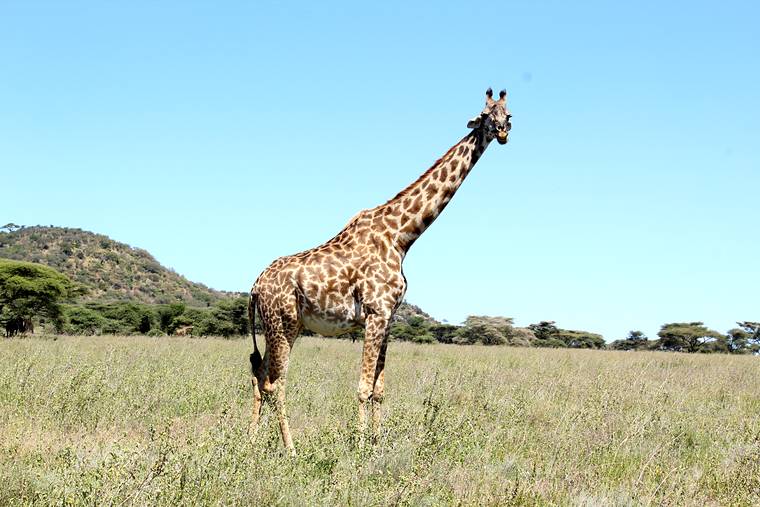
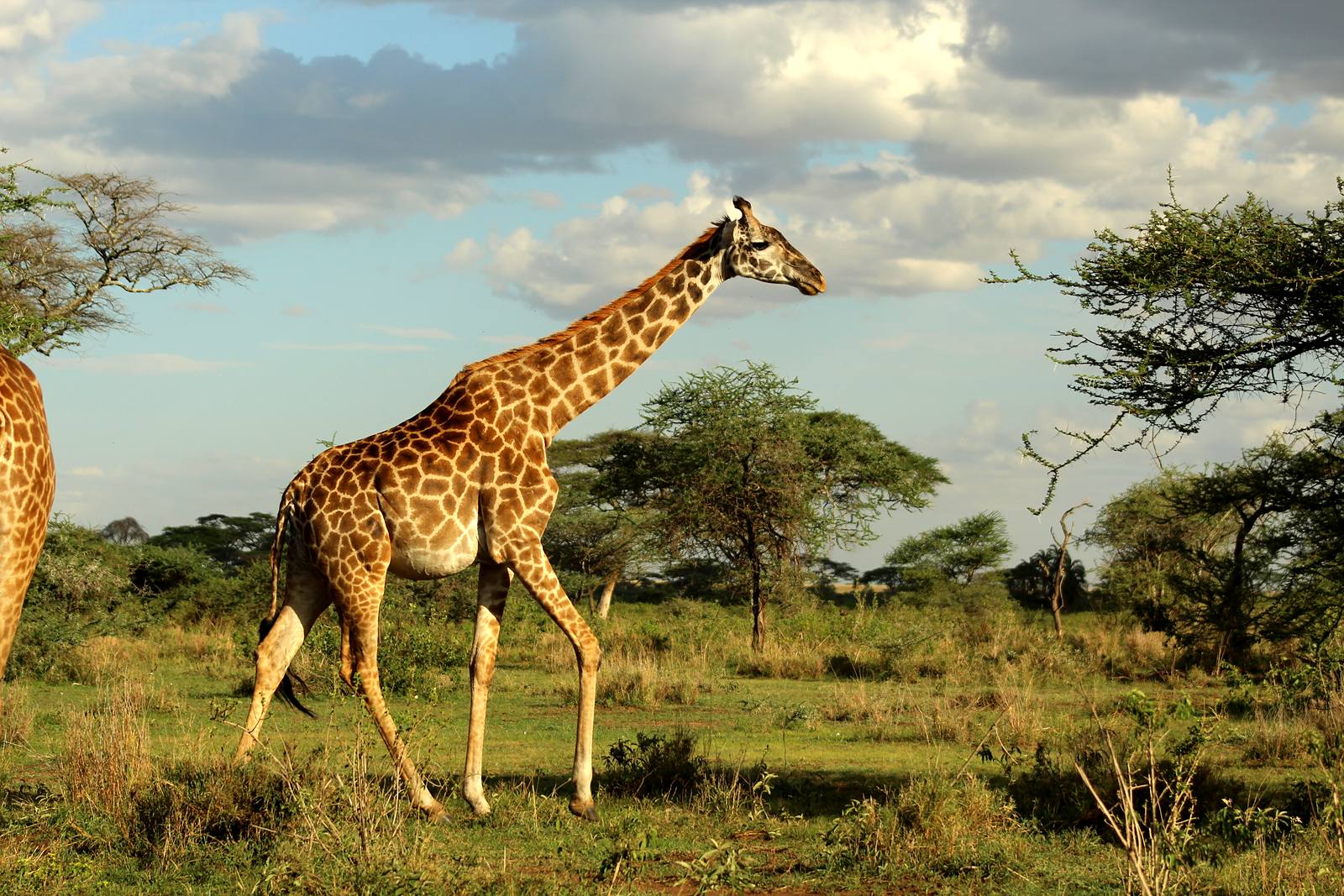
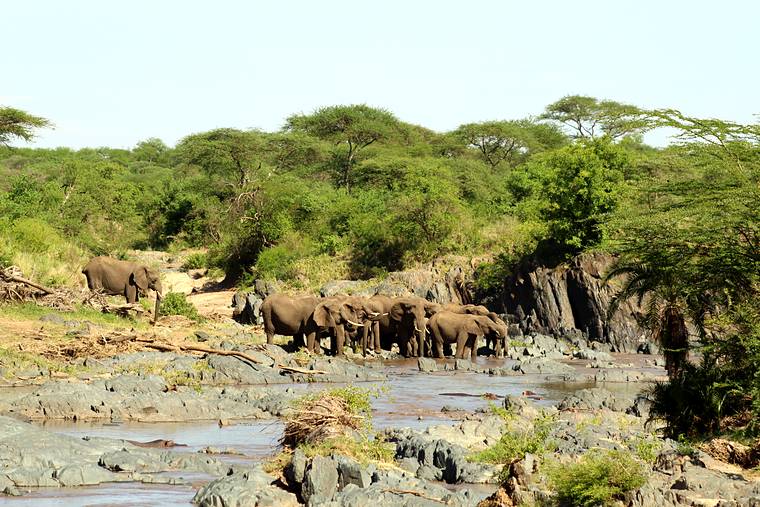
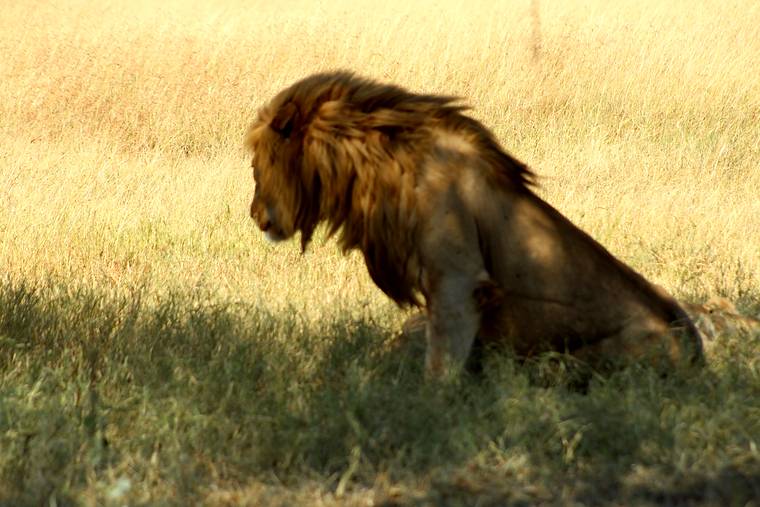
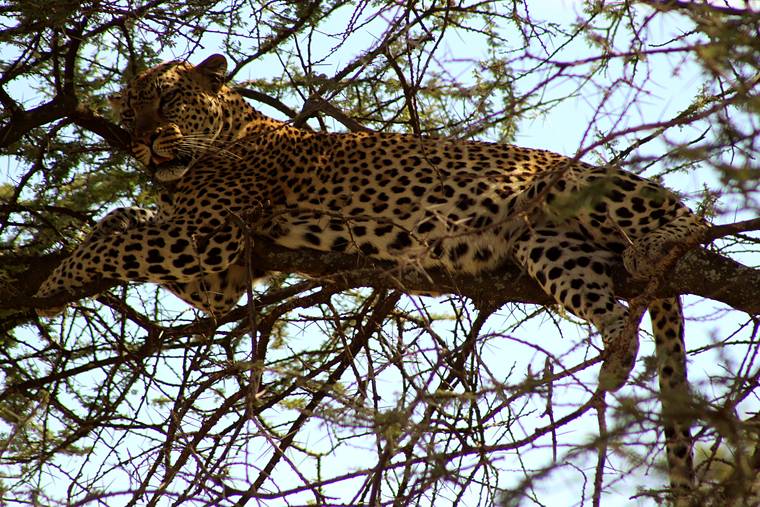
The Serengeti is a vast, rolling ecosystem of short-grass plains in the south, acacia savannah in the centre and wooded hills in the north. Granite kopjes rise from the grass and give lions and leopards their lookouts.
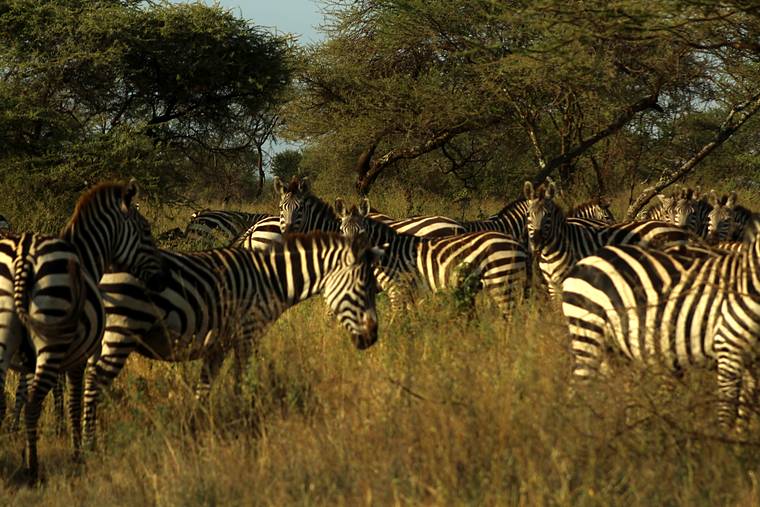
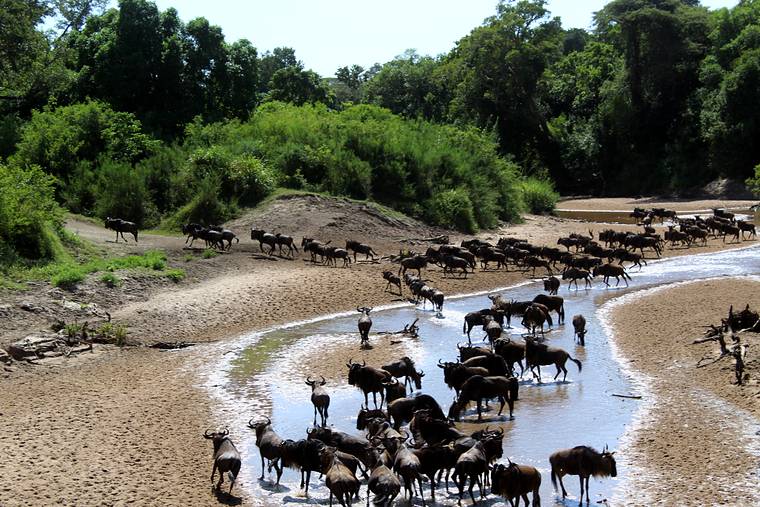
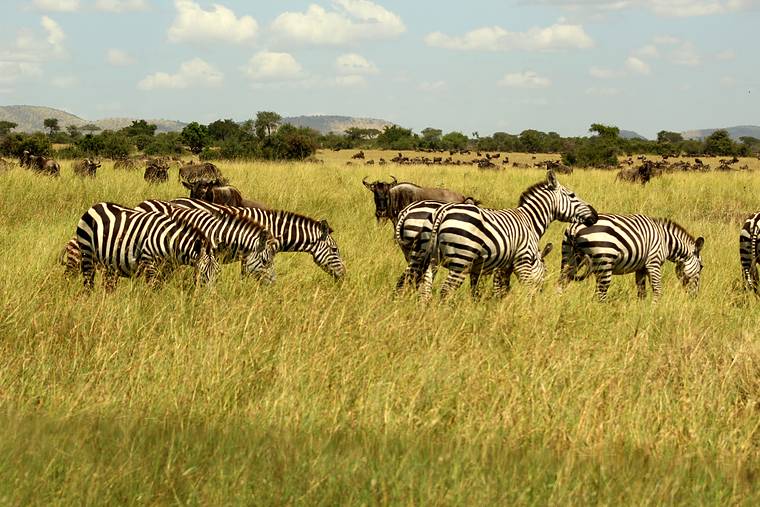
Around 1.5 million wildebeest, with zebra and gazelle, follow the rains in a year-round circuit through Tanzania and into Kenya's Maasai Mara. Where you stay should depend on the month — that is the single most important decision in planning a Serengeti safari.
Central Serengeti, around the Seronera River, has resident predators year-round. The north (Kogatende, Lamai) is the Mara River crossing area from July to October. The south around Ndutu hosts the calving season from late January to March.

 3 daysPopular choice